Recognizing HVAC: Usual Issues of A/c Devices and Their Solutions
HVAC systems play a crucial role in preserving interior convenience. Air conditioning devices typically experience common problems that can impede their performance. Issues like inadequate cooling, unusual sounds, and regular cycling can indicate much deeper mechanical problems. Additionally, water leakages and undesirable odors can jeopardize air high quality. Comprehending these difficulties and their solutions is necessary for reliable upkeep. What steps can property owners take to assure their a/c systems run effectively?
Inadequate Air Conditioning Efficiency
What creates insufficient cooling efficiency in a HVAC system? Numerous aspects can add to this concern. A common cause is an unclean air filter, which restricts air movement and decreases cooling performance. Furthermore, reduced refrigerant levels as a result of leakages can hinder the system's capacity to take in warm efficiently. One more possible problem might develop from a malfunctioning thermostat, causing incorrect temperature readings and inappropriate cooling cycles. Obstructed or unclean condenser coils can also prevent warmth dissipation, additional influencing performance. Ultimately, ductwork problems, such as leakages or obstructions, can lead to irregular cooling throughout a room. Identifying these issues promptly is crucial for preserving ideal HVAC feature and guaranteeing a comfy indoor environment. Routine upkeep and inspections can help alleviate these issues and boost the system's overall effectiveness.
Uncommon Sounds Originating From the Air Conditioner System
A selection of uncommon noises originating from an a/c device can show underlying concerns that require interest. Common audios include rattling, which might suggest loosened components or particles within the system. Hissing noises commonly aim to refrigerant leaks, jeopardizing the system's effectiveness. A grinding noise could suggest worn-out bearings or electric motor problems, while a piercing squeal may signal a problem with the compressor or a sliding belt.
Each of these sounds offers as an indication that something may be wrong, possibly causing even more considerable damage if not attended to immediately. Home owners should avoid ignoring these acoustic hints and think about getting in touch with a certified heating and cooling professional for diagnosis and fixing. Prompt intervention can not only restore performance but also expand the life expectancy of the system. HVAC contractor. Recognizing these noises as signs of difficulty is necessary for preserving peak cooling performance
Constant Biking On and Off
Constant biking on and off can suggest inefficiencies or malfunctions within a cooling and heating system, usually referred to as short-cycling. This problem can bring about enhanced power intake and may trigger unnecessary wear on the unit's elements. Several aspects can add to this issue, including a poorly sized air conditioning system, a malfunctioning thermostat, or filthy air filters. When an air conditioner device is as well large for the space, it cools down also quickly, causing it to cycle regularly without adequately dehumidifying the air. If the thermostat is malfunctioning, it might incorrectly signify the device to switch on and off. Furthermore, blocked or unclean air filters can restrict air movement, triggering the system to function more challenging and cycle more usually. Dealing with these problems promptly is important to improve performance, extend the life expectancy of the cooling and heating system, and maintain suitable indoor comfort.
Water Leakages and Drainage Issues
Water leakages and water drainage issues can pose considerable challenges for heating and cooling systems, leading to possible damage and inefficiencies. These troubles often stem from stopped up condensate drains pipes, which avoid water from draining correctly and can cause overflow. Additionally, damaged drainpipe pans or pop over to these guys incorrect installation may intensify these leaks, causing water to collect in unwanted areas.
Routine upkeep is vital to avoid such issues; making sure that condensate lines are clear and drain frying pans are intact can minimize the risk of leakages. House owners ought to consistently look for indications of moisture around the system, as early detection can prevent more comprehensive damages. In cases where leaks are identified, prompt action is called for, which might include clearing blockages or changing faulty elements. Resolving water leaks and drain issues not only shields the heating and cooling system but also keeps interior air high quality and convenience.
Bad Smells and Air Top Quality Concerns
Bad smells emanating from heating and cooling systems can show severe air top quality worries. Common resources of these unpleasant scents include mold and mildew, mold, or bacteria growth in the ductwork, commonly due to moisture build-up. If the system has an undesirable, musty odor, it may signify that the air filters are obstructed or that there is insufficient ventilation, enabling contaminants to circulate. Furthermore, a burning scent might suggest electrical problems or overheating elements, needing instant focus.
Homeowners ought to regularly replace air filters and timetable routine maintenance to assure peak air quality. Making use of an air cleanser can additionally aid remove smells and improve indoor air quality. If odors linger in spite of these procedures, professional evaluation and cleaning may be essential to recognize and solve underlying issues. air conditioner repair. Recognition of these smells is essential, as they can influence health and wellness and convenience in indoor atmospheres
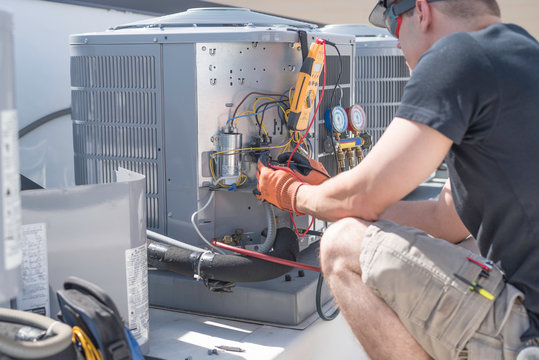
Frequently Asked Inquiries
How Frequently Should I Arrange Air Conditioning Upkeep?
It is suggested to arrange air conditioner maintenance at the very least annually, ideally prior to the cooling period begins. Routine examinations can help identify issues early, guaranteeing effective procedure and prolonging the life expectancy of the unit.

What Is the Average Lifespan of an A/c System?
The ordinary life-span of an air conditioner device generally varies from 15 to twenty years. Aspects such as upkeep, usage patterns, and ecological problems can considerably influence this duration, impacting overall effectiveness and efficiency gradually.
Exactly how Do I Pick the Right Size Air Conditioning Unit for My Home?

What Are the Indicators My AC Device Needs Replacement?
Can I Mount an Air Conditioner System Myself?
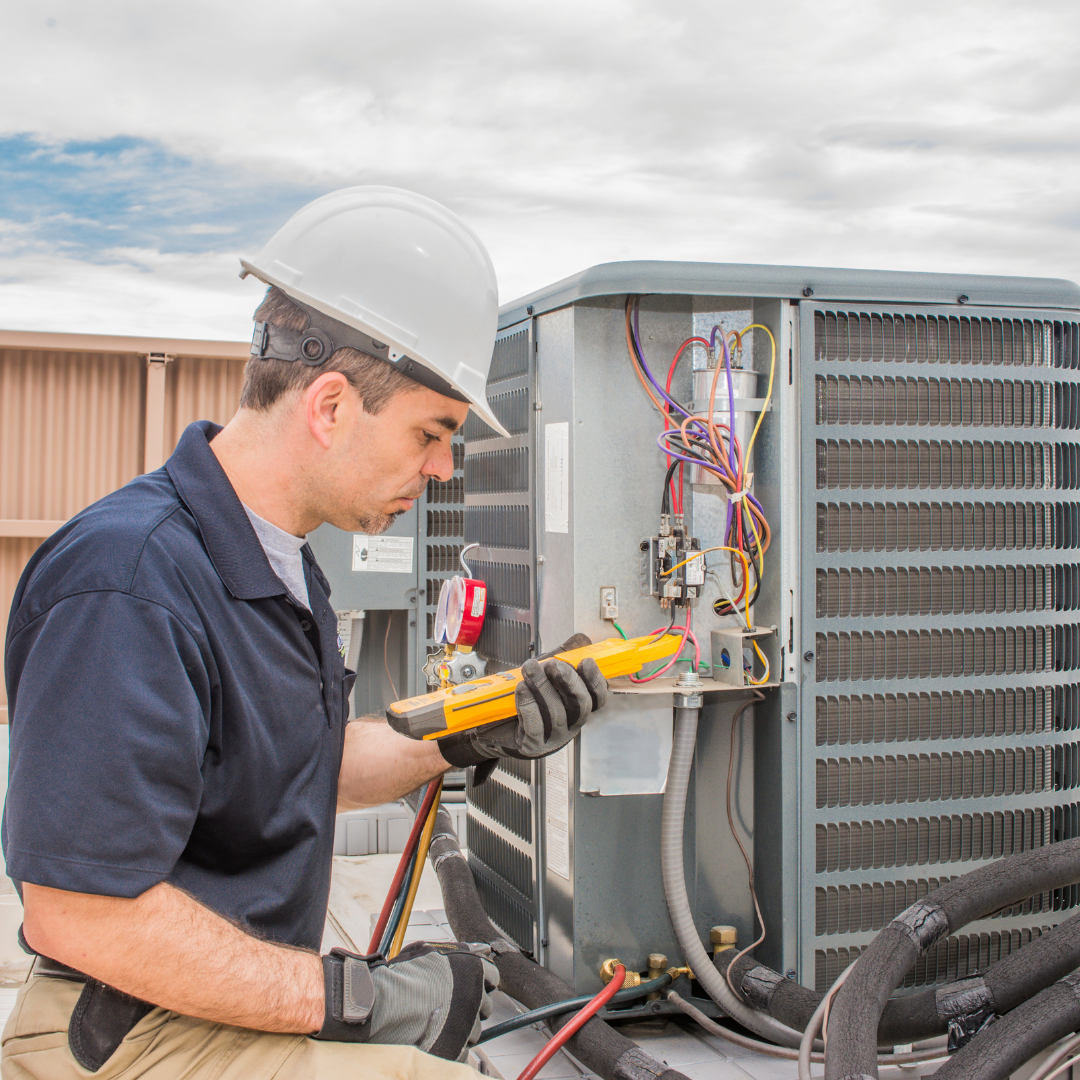
While mounting an air conditioning unit oneself is feasible, it needs technological understanding and correct devices. Fix broken Air conditioner. Many individuals may encounter challenges with installment, possibly resulting in inadequacy or safety threats, making expert aid recommended for optimal outcomes
Conclusion
In summary, understanding usual a/c problems and their solutions is crucial for keeping efficient a/c unit performance. Attending to issues such as insufficient cooling, uncommon noises, regular biking, water leaks, and unpleasant odors can considerably enhance indoor convenience and air high quality. Regular upkeep, including filter modifications and prompt fixings, plays a considerable role in preventing these troubles. By staying positive, home owners can assure their HVAC systems run effectively, eventually lengthening the lifespan of their a/c devices.